Sound grain
Is the sound layered and tolerable, or sharp enough to keep the body braced?
Quiet Index
The Rebua Quiet Index is a reading tool for places that help attention settle. It does not pretend every person needs the same room, path, or pause. Instead, it separates the conditions that often matter so a reader can name what is helping and what is quietly draining them.
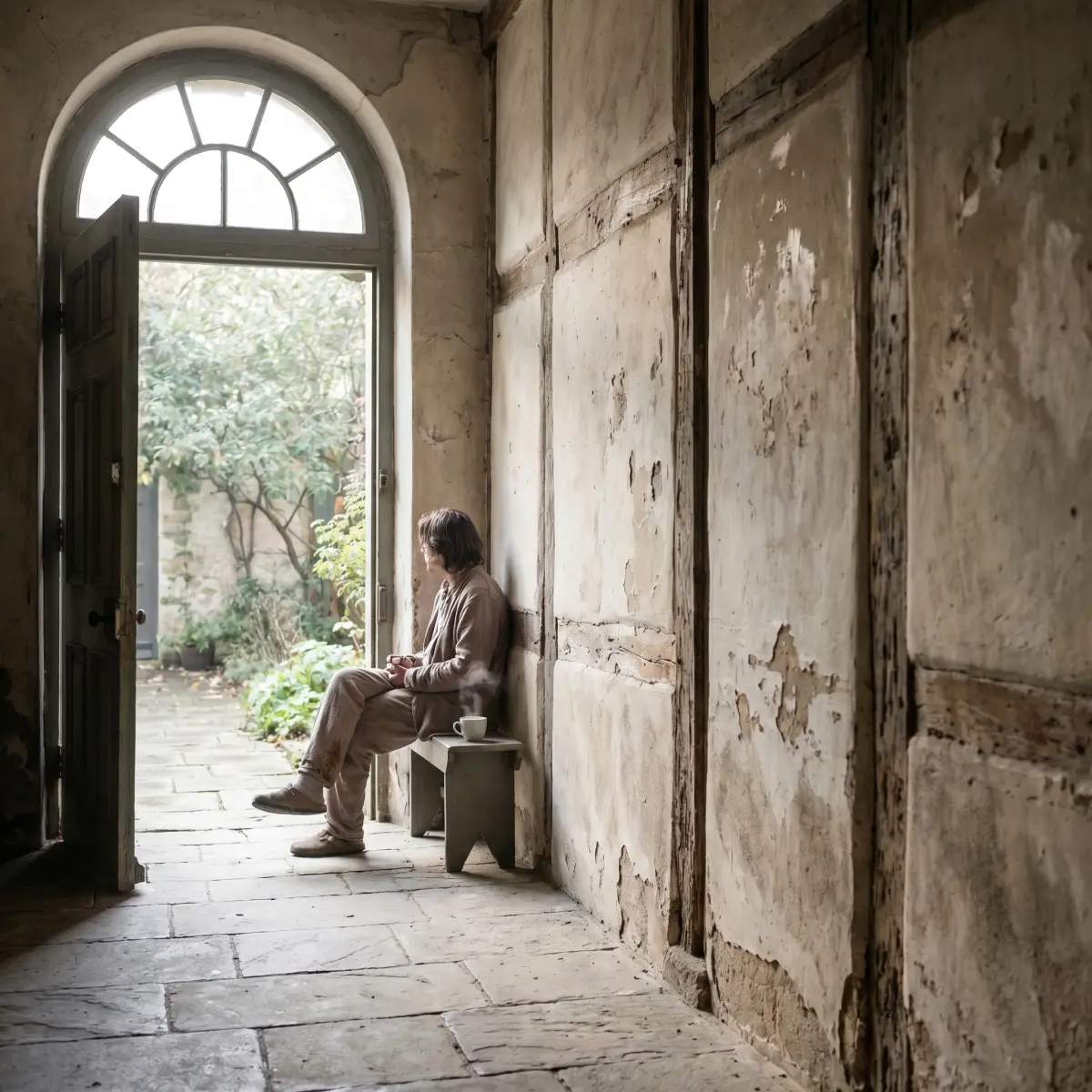
Is the sound layered and tolerable, or sharp enough to keep the body braced?
Can someone leave without explanation, crowd negotiation, or social performance?
Are the eyes given a place to land that is not signage, glare, or motion?
Does the place allow a person to stand, sit, or slow down without seeming out of place?
Is there shade, cover, airflow, warmth, or another seasonal kindness?
How many choices must be made before the place becomes useful?
A train station can be loud and still contain a useful refuge if the edges are clear, exits are visible, and the body can step out of traffic. A silent room can feel unusable if the light is severe or every movement feels watched. Rebua separates these details because practical calm is rarely one-dimensional.
The index also helps avoid romanticizing hidden places. A refuge should not depend on trespass, secrecy, or exclusion. The strongest examples are ordinary and accessible enough to repeat: a public bench under tolerable shade, a wide lobby with no purchase pressure, a side street that makes a hard errand less sharp.