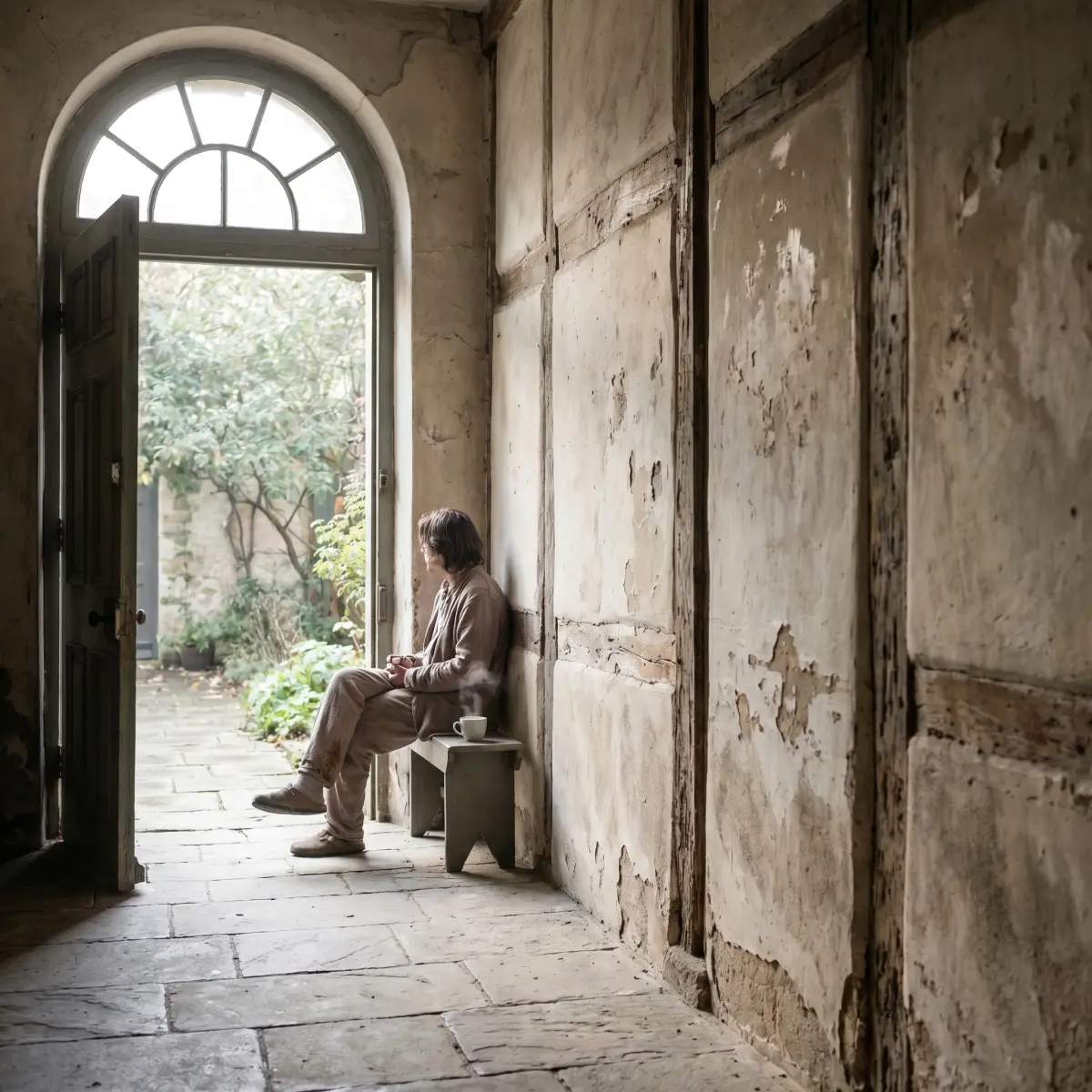
Thresholds matter
A doorway, train platform, or lobby can be a pressure valve when treated as a real part of the route, not dead space between destinations.
Restorative route journal
This is a field desk for small urban recoveries: the shaded lane that lowers the shoulders, the library table that lets a thought settle, the market path that feels possible after a difficult morning. Rebua treats wellness as cartography rather than performance. The work is to notice which routes, rooms, thresholds, and pauses make ordinary life feel less abrasive.
12m
ideal quiet loop
4
sensory checks
0
grand reinventions

Why this exists
Many city guides rank destinations, restaurants, or attractions. Rebua pays attention to the in-between: the corner where noise drops, the stairwell landing that gives a nervous system a clean edge, the slower crossing that makes the next conversation easier. The premise is simple: a day is shaped by its transitions as much as its appointments.
Our notes avoid heroic self-improvement language. Instead, they describe practical conditions: shade, seating, sound texture, visual clutter, decision load, weather exposure, and how easy it is to leave. A good refuge is not a secret luxury. It is a place or pattern that gives attention a chance to return.
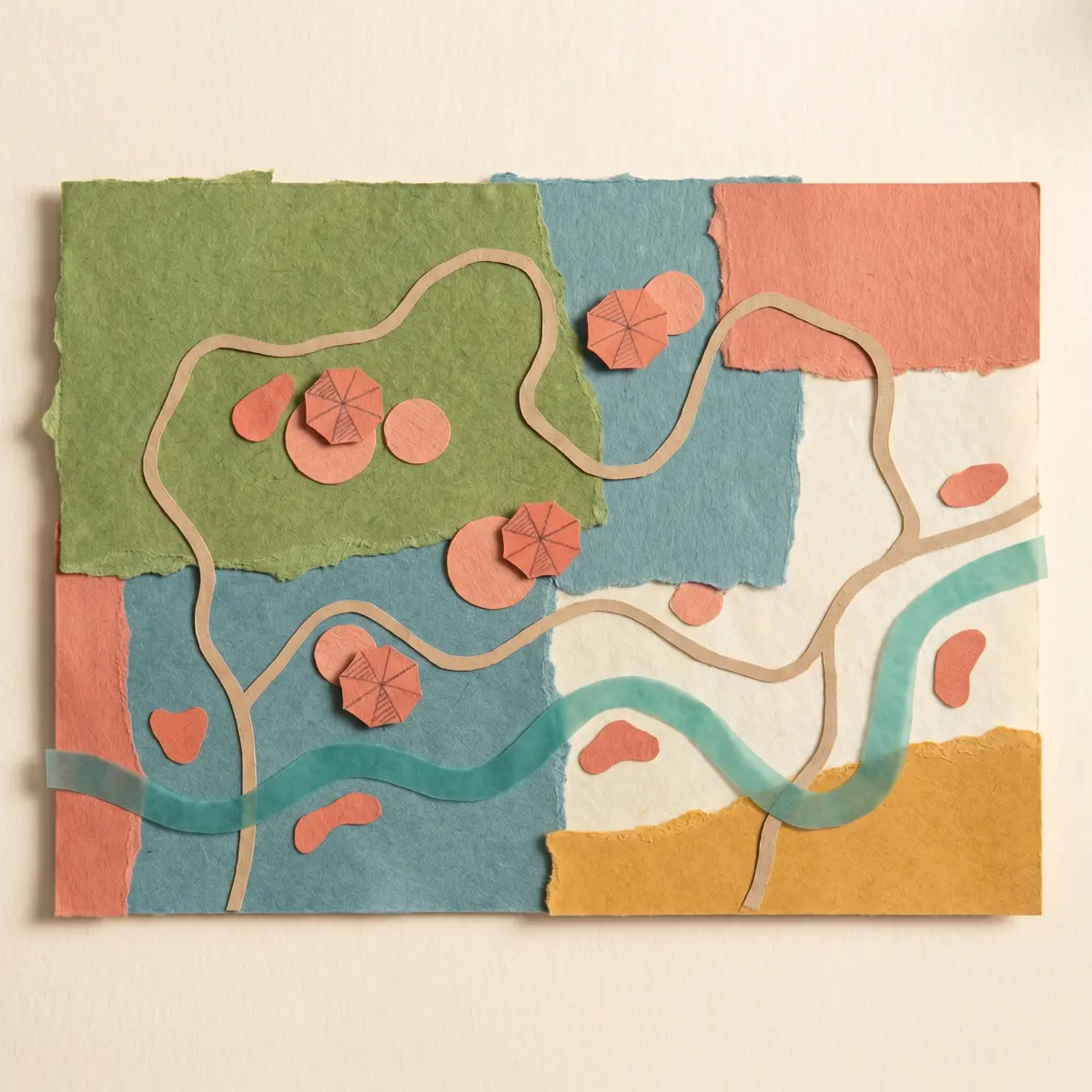
A page from the method
Rebua uses a plain field practice. Walk once without measuring. Walk again and mark where the body changes: jaw, breath, pace, shoulders, attention, appetite for conversation. Then remove anything that makes the route harder to repeat. The resulting map is not universal advice. It is a reusable piece of personal infrastructure.
A two-minute pause before entering the next room, useful when the body has arrived faster than attention.
A route segment with low glare, manageable sound, and a place to step aside without performing busyness.
A visible cue that helps you find the calmer version of a route again: a bench, window, tree shadow, or quiet corner.
The practice of removing one avoidable task from a trip so the route becomes restorative instead of merely efficient.
Quiet criteria
Check 1
The answer changes by season, hour, and company. Rebua records conditions instead of pretending one place works for everyone.
Check 2
The answer changes by season, hour, and company. Rebua records conditions instead of pretending one place works for everyone.
Check 3
The answer changes by season, hour, and company. Rebua records conditions instead of pretending one place works for everyone.
A doorway, train platform, or lobby can be a pressure valve when treated as a real part of the route, not dead space between destinations.
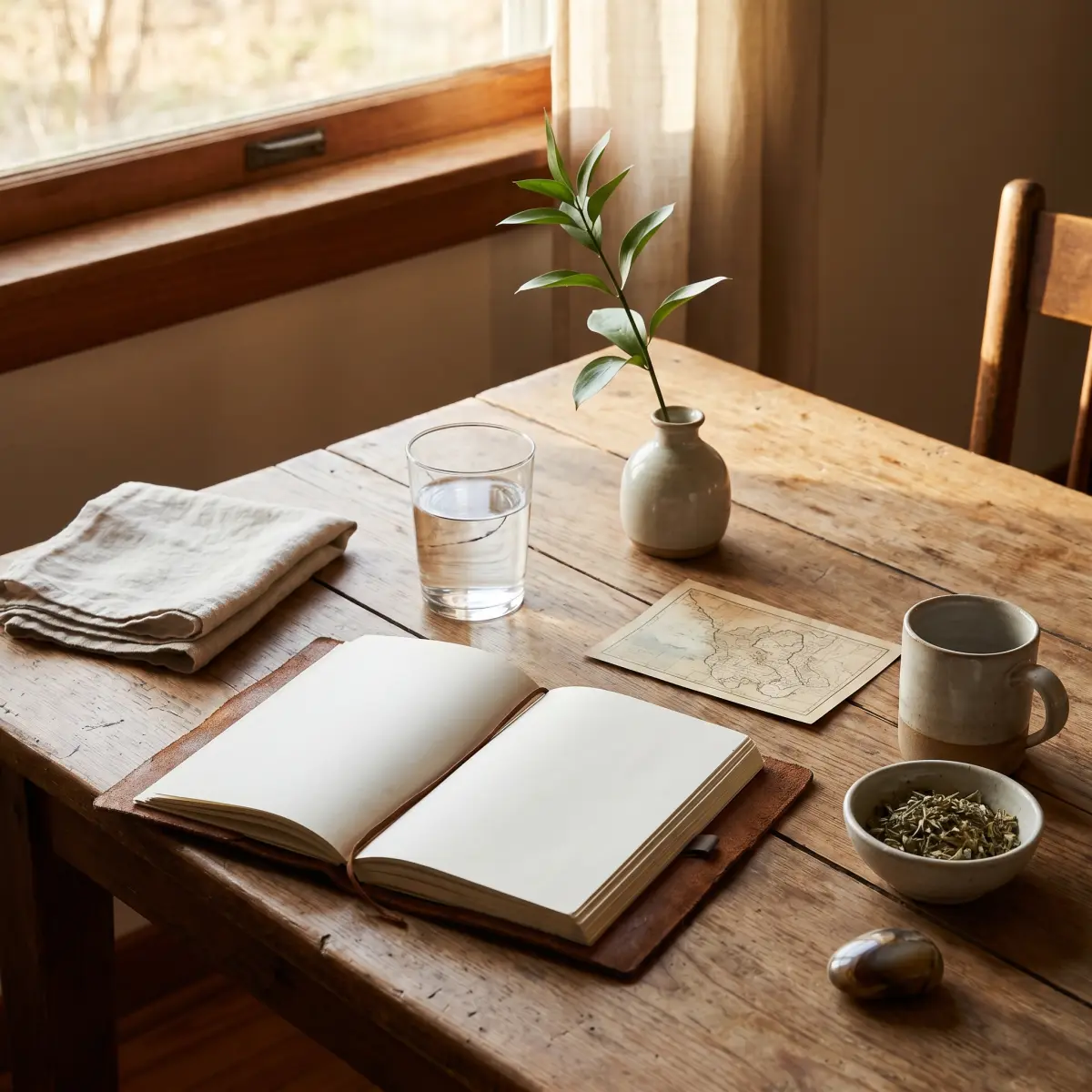
The best daily ritual may be a glass of water before errands, a note in the pocket, or choosing the quieter side of the street.
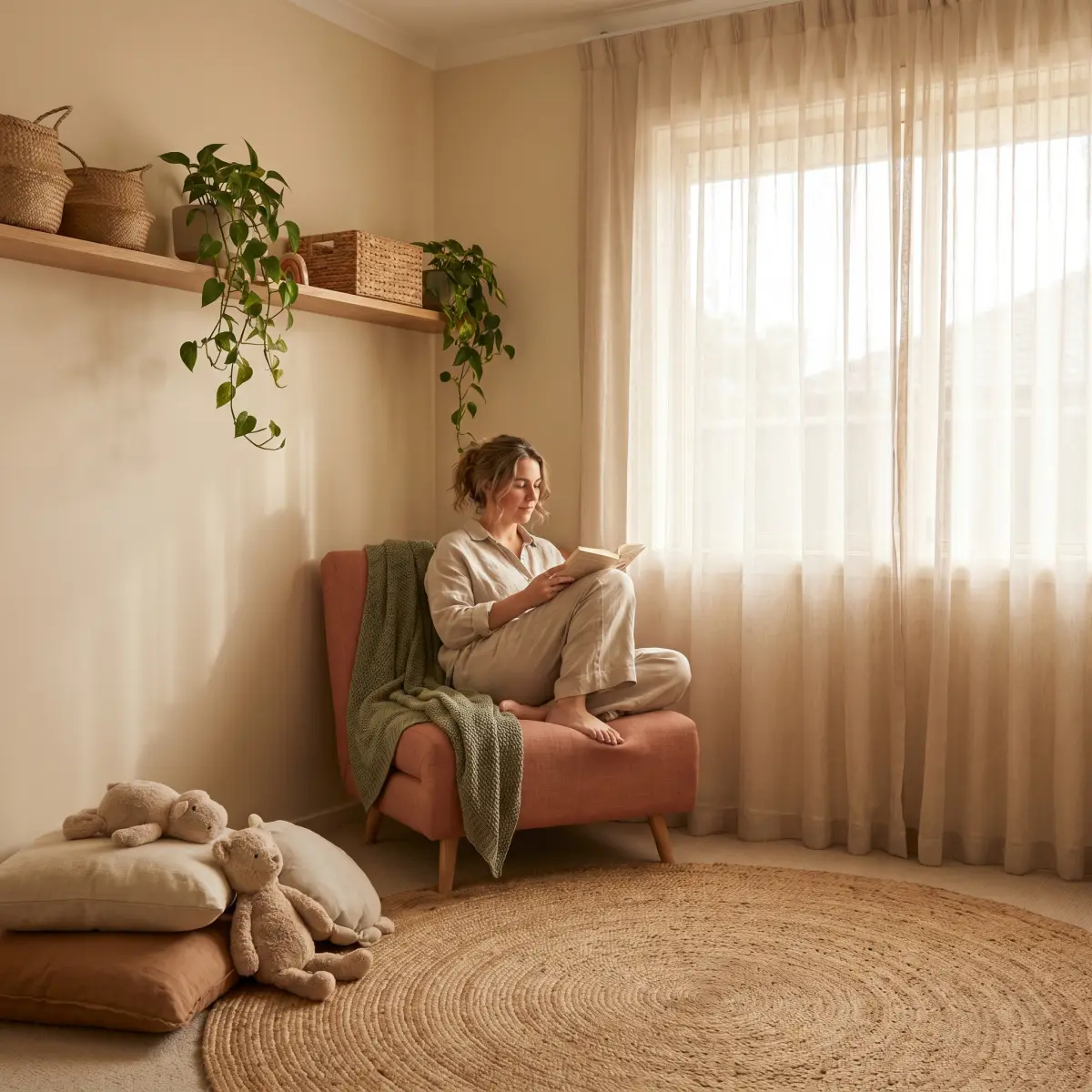
Rebua describes interior weather: echo, glare, chair distance, exit visibility, and whether the room lets a person become less alert.